

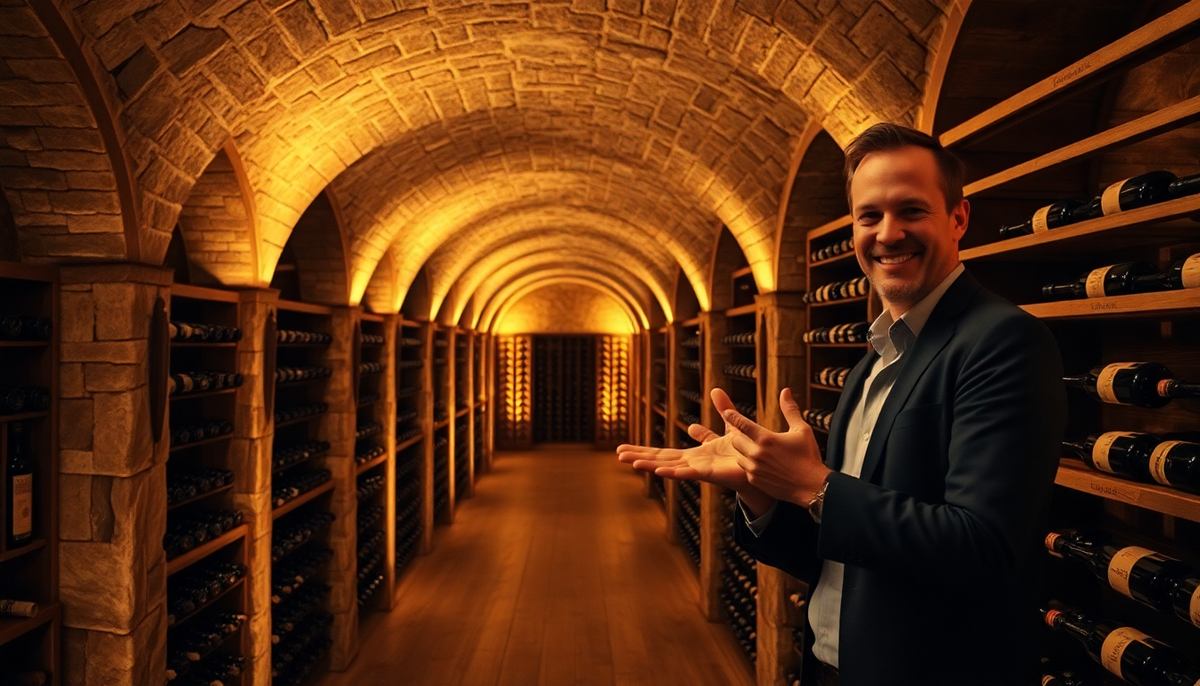
Visiting a winery for the first time can be an exciting yet somewhat intimidating experience. Whether you're planning a trip to Curtis Family Vineyards or any other wine establishment, understanding proper cellar door etiquette will help you make the most of your visit and ensure a pleasant experience for both yourself and the staff. This comprehensive guide will walk you through everything you need to know about visiting a winery, from what to expect when you arrive to how to properly taste and appreciate wine.
Understanding the Cellar Door Experience
The term "cellar door" refers to the tasting room or visitor center of a winery where guests can sample wines and learn about the vineyard's products and practices. It's essentially the public-facing side of a wine production facility, and it serves as an important touchpoint between winemakers and wine enthusiasts. Understanding what the cellar door experience is all about will help you approach your visit with the right mindset and expectations.
What is a Cellar Door?
A cellar door is more than just a place to taste wine. It's a space where winemakers share their passion, knowledge, and creations with visitors. Some cellar doors are simple tasting bars, while others are elaborate facilities with beautiful views, food offerings, and educational displays. Regardless of the size or sophistication of the facility, the fundamental purpose remains the same: to introduce people to the winery's wines and the stories behind them.
When you visit a cellar door, you're not just sampling beverages. You're participating in a tradition that dates back centuries. Wine tasting is an art form that combines sensory appreciation with cultural understanding. The staff at the cellar door are there to guide you through this experience, sharing their expertise and helping you discover wines you might enjoy.
The Purpose of Your Visit
Before you arrive at Curtis Family Vineyards or any winery, it's helpful to clarify your purpose for visiting. Are you a casual wine drinker looking to explore new flavors? Are you a serious collector seeking rare vintages? Are you celebrating a special occasion? Are you interested in learning about winemaking processes? Your purpose will influence how you approach the experience and what you should expect from your visit.
Understanding your own goals helps you communicate better with the staff and get more value from your time at the winery. If you're unsure about what you're looking for, that's perfectly fine too. The staff at quality wineries like Curtis Family Vineyards are accustomed to working with visitors of all experience levels and can help guide you based on your preferences and interests.
Preparing for Your Visit
Proper preparation before arriving at a winery can significantly enhance your experience. Taking time to plan ahead shows respect for the establishment and helps ensure you get the most out of your visit.
Making Reservations
Many wineries, particularly those in popular wine regions, require advance reservations for tastings. This is especially true for smaller, more exclusive operations. Making a reservation demonstrates courtesy and helps the winery manage their staff and resources effectively. When you call or book online, be clear about the number of people in your party, your preferred tasting time, and any special requests or dietary restrictions.
If you're planning to visit Curtis Family Vineyards, check their website or call ahead to determine their reservation policy. Even if reservations aren't required, calling ahead is a good practice. It allows you to ask questions about parking, dress code, and any special events or wine releases that might be happening during your visit.
Arriving on Time
Punctuality is an important aspect of cellar door etiquette. If you've made a reservation, arriving on time shows respect for the staff's schedule and other visitors. If you're running late, call ahead to let them know. Arriving significantly late may result in a shortened tasting or the need to reschedule.
Plan your travel time carefully, accounting for potential traffic delays and time needed to find parking. Arriving a few minutes early is acceptable and gives you time to take in the surroundings and settle in before your tasting begins.
Dressing Appropriately
While most cellar doors have casual dress codes, it's worth considering the setting and season. Comfortable, casual clothing is typically appropriate for winery visits. However, if you're visiting during a special event or if the winery has a more upscale atmosphere, you might want to dress slightly more formally.
Consider the weather and the outdoor elements you might encounter. Many wineries have outdoor tasting areas or require walking through vineyards. Comfortable shoes are essential. If you're visiting during sunny weather, bring sunscreen and a hat. During cooler months, bring a light jacket.
Avoid wearing heavy perfume or cologne. Strong scents can interfere with your ability to smell the wine's aromas and can be distracting to other visitors and staff members. Similarly, avoid wearing clothing with strong odors, such as freshly smoked items.
Arriving at the Winery
Your arrival sets the tone for your entire visit. Approaching the experience with courtesy and respect will be appreciated by the staff and will enhance your overall experience.
Greeting the Staff
When you arrive at the cellar door, greet the staff warmly and check in if you have a reservation. Be friendly and approachable. The people working at the winery are passionate about wine and are there to help you have a great experience. A simple "hello" and a smile go a long way in establishing a positive interaction.
If you're unsure about anything, don't hesitate to ask. The staff expects questions from first-time visitors and are happy to help. Whether you want to know about the winery's history, the winemaking process, or recommendations for wines that match your taste preferences, the staff are there to assist you.
Understanding the Tasting Format
Different wineries have different tasting formats. Some offer guided tastings where a staff member walks you through each wine, explaining its characteristics and the story behind it. Others offer self-guided tastings where you pour your own wines and explore at your own pace. Some wineries offer a combination of both approaches.
Ask the staff to explain the format of your tasting. Understanding how the tasting will proceed helps you know what to expect and allows you to prepare mentally for the experience. If you have preferences about how you'd like to taste, communicate these to the staff.
Tasting Fees and Pricing
Most wineries charge a tasting fee, which typically ranges from fifteen to fifty dollars per person, depending on the winery's location, reputation, and the wines being offered. This fee often includes a set number of wine samples and sometimes a souvenir glass.
It's important to understand the pricing structure before you begin tasting. Ask about the tasting fee, what's included, and whether the fee is waived if you purchase wine. Many wineries offer fee waivers for wine purchases, so it's worth asking about this policy.
The Art of Wine Tasting
Wine tasting is both a science and an art. Understanding the proper technique will help you appreciate the wines more fully and communicate effectively with the staff about your preferences.
The Five Senses of Wine Tasting
Wine tasting engages all five senses, though sight, smell, and taste are the primary ones involved. Understanding how to use each sense will enhance your tasting experience.
Sight: Begin by observing the wine's appearance. Hold the glass up to the light and examine its color, clarity, and viscosity. The color can tell you about the wine's age, grape variety, and winemaking techniques. Younger wines tend to be brighter in color, while older wines often develop deeper, more complex hues. Clarity indicates whether the wine has been properly filtered and stored. Viscosity, or the thickness of the liquid, can suggest alcohol content and body.
Smell: Swirl the wine gently in your glass to release its aromas. Bring the glass to your nose and inhale deeply. Try to identify specific scents. Wine aromas can range from fruity notes like berries and citrus to floral notes like roses and violets, to earthy notes like leather and tobacco. Don't worry if you can't identify every aroma. Wine appreciation is subjective, and your personal experience is valid.
Taste: Take a small sip of wine and let it coat your mouth. Notice the initial flavors, the mid-palate characteristics, and the finish. Pay attention to the wine's acidity, tannins (if it's a red wine), and overall balance. Acidity provides freshness and crispness. Tannins, which come from grape skins and oak aging, create a drying sensation in your mouth. A well-balanced wine has all its components working together harmoniously.
Touch: The tactile sensations of wine are important too. Notice the wine's temperature, its texture on your tongue, and the sensation of tannins or acidity. These physical sensations contribute to your overall perception of the wine.
Sound: While often overlooked, sound plays a role in the wine experience. The pop of a cork, the glug of wine being poured, and even the clink of glasses can enhance the sensory experience and create a pleasant atmosphere.
Proper Tasting Technique
To taste wine properly, follow these steps:
First, examine the wine's appearance as described above. Take a moment to appreciate its visual qualities.
Second, swirl the wine gently in your glass. This aerates the wine and releases its aromas. Don't swirl too vigorously, as you might splash wine out of the glass. A gentle, circular motion is sufficient.
Third, smell the wine. Bring the glass to your nose and inhale gently. Try to identify the aromas. It's helpful to think about categories of smells: fruits, flowers, spices, earth, wood, and other descriptors.
Fourth, take a small sip. Let the wine sit in your mouth for a moment before swallowing. This allows the flavors to fully develop and your taste buds to register all the nuances. Pay attention to how the wine evolves from the initial taste to the finish.
Finally, consider the overall impression. Did you enjoy the wine? What were its most distinctive characteristics? How would you rate it compared to other wines you've tasted?
Spitting vs. Swallowing
In professional wine tastings, it's common for tasters to spit out wine rather than swallow it. This allows them to taste many wines without consuming excessive alcohol. If you're tasting a large number of wines, spitting is perfectly acceptable and even encouraged.
However, if you're uncomfortable with spitting, you can swallow. Just be aware that swallowing multiple wines can lead to alcohol consumption, so pace yourself accordingly. Some wineries provide spittoons or buckets for this purpose. If you choose to spit, do so discreetly and respectfully.
Pacing Your Tasting
Don't rush through your tasting. Take time to appreciate each wine. If you're tasting multiple wines, pace yourself. It's better to taste fewer wines thoroughly than to rush through many wines without really appreciating them.
Between tastings, cleanse your palate. Water and unsalted crackers are typically provided for this purpose. Cleansing your palate helps ensure that each wine's flavors aren't influenced by the previous wine you tasted.
Proper Behavior and Etiquette
Beyond the technical aspects of wine tasting, there are important behavioral expectations that contribute to a pleasant experience for everyone.
Respecting the Space
The cellar door is a place of business, and it's important to treat it with respect. Don't touch bottles or equipment unless invited to do so. Don't wander into areas that are clearly marked as off-limits. If you're interested in seeing the production facility, ask if tours are available.
Keep noise levels reasonable. While it's fine to have conversations and enjoy yourself, remember that other visitors are also trying to appreciate the wines and the experience. Avoid loud talking or disruptive behavior.
Being Courteous to Other Visitors
Wineries attract people from all walks of life with varying levels of wine knowledge. Be respectful of other visitors, regardless of their experience level or preferences. Don't be condescending if someone doesn't know as much about wine as you do. Don't monopolize the staff's attention if there are other visitors waiting.
If you're tasting with a group, be mindful of the space you're taking up. Don't spread out excessively or block other visitors from accessing the tasting bar.
Listening to the Staff
The staff at the winery are knowledgeable and passionate about their wines. Listen to their explanations and recommendations. Ask questions if you don't understand something. However, avoid being argumentative or dismissive of their expertise. If you disagree with their assessment of a wine, that's fine, but express your opinion respectfully.
Handling Wines You Don't Like
Not every wine will appeal to you, and that's perfectly normal. If you taste a wine you don't enjoy, you don't need to pretend to like it. However, express your opinion tactfully. Instead of saying "this wine is terrible," you might say "this wine isn't quite to my taste" or "I prefer wines with less tannin."
The staff can use your feedback to recommend other wines that might suit your preferences better. Being honest about your tastes helps them guide you toward wines you'll actually enjoy.
Purchasing Wine
If you decide to purchase wine, that's wonderful. However, don't feel obligated to buy. Many people visit wineries simply to taste and learn, without making purchases. That said, if you've enjoyed the staff's time and expertise, purchasing a bottle or two is a nice way to support the winery.
When purchasing, ask questions about the wines. Which vintages are available? Are there any special releases or limited editions? What are the staff's personal recommendations? This information can help you make informed purchasing decisions.
Understanding Wine Terminology
Familiarizing yourself with common wine terminology will help you better understand the wines you're tasting and communicate more effectively with the staff.
Acidity
Acidity refers to the tartness or crispness of a wine. Wines with higher acidity taste fresher and more vibrant. Acidity is particularly important in white wines and lighter red wines. It's measured on a pH scale, but you don't need to understand the chemistry to appreciate acidity. Simply notice whether a wine tastes crisp and refreshing or flat and dull.
Tannins
Tannins are compounds found primarily in red wines that come from grape skins, seeds, and stems, as well as from oak aging. Tannins create a drying sensation in your mouth, similar to the feeling you get when you bite into a grape skin. Young red wines often have more pronounced tannins, while older wines tend to have softer, more integrated tannins.
Body
Body refers to the weight and fullness of a wine in your mouth. Light-bodied wines feel thin and delicate, medium-bodied wines have a balanced weight, and full-bodied wines feel rich and substantial. Body is influenced by alcohol content, tannins, and the concentration of flavors.
Finish
The finish refers to the aftertaste that lingers after you swallow the wine. A long finish means the flavors continue to evolve and linger for an extended period. A short finish means the flavors fade quickly. Generally, longer finishes are considered more desirable, as they indicate complexity and quality.
Nose
The nose of a wine refers to its aromas. When someone says a wine has a "good nose," they mean it has pleasant, complex aromas. The nose is an important part of the tasting experience and can tell you a lot about the wine's character and quality.
Palate
The palate refers to the flavors you taste in your mouth. A wine's palate can be described as fruity, earthy, spicy, floral, or many other descriptors. The palate is what you experience after you take a sip and let the wine coat your mouth.
Vintage
The vintage refers to the year the grapes were harvested. Different vintages can produce very different wines, even from the same vineyard and winemaker. Weather conditions during the growing season significantly influence the quality and characteristics of the wine.
Terroir
Terroir is a French term that refers to the environmental conditions that affect a crop's phenotype. In wine, terroir encompasses the soil, topography, and climate of a vineyard. It's the idea that where grapes are grown influences the characteristics of the wine produced from those grapes.
Learning About the Winery
Part of the cellar door experience is learning about the winery itself. Understanding the winery's history, philosophy, and practices will deepen your appreciation for their wines.
Asking About the Winery's History
Most wineries have interesting stories about how they were founded and how they've evolved over time. Ask the staff about the winery's history. Learning about the people behind the wines and the challenges they've overcome can create a personal connection to the wines you're tasting.
Understanding Winemaking Philosophy
Different wineries have different approaches to winemaking. Some focus on traditional methods, while others embrace modern techniques. Some prioritize organic or biodynamic practices, while others use conventional viticulture. Understanding the winery's philosophy helps you appreciate the choices they've made in producing their wines.
Learning About the Vineyards
The grapes are the foundation of any wine. Ask about the vineyards where the grapes are grown. What grape varieties are planted? How old are the vines? What challenges do they face in growing grapes in their region? This information provides context for understanding the wines you're tasting.
Exploring Food and Wine Pairings
Many wineries offer food and wine pairings as part of their tasting experience. If this is available, take advantage of it. Food can significantly

Leave a comment
This site is protected by hCaptcha and the hCaptcha Privacy Policy and Terms of Service apply.