

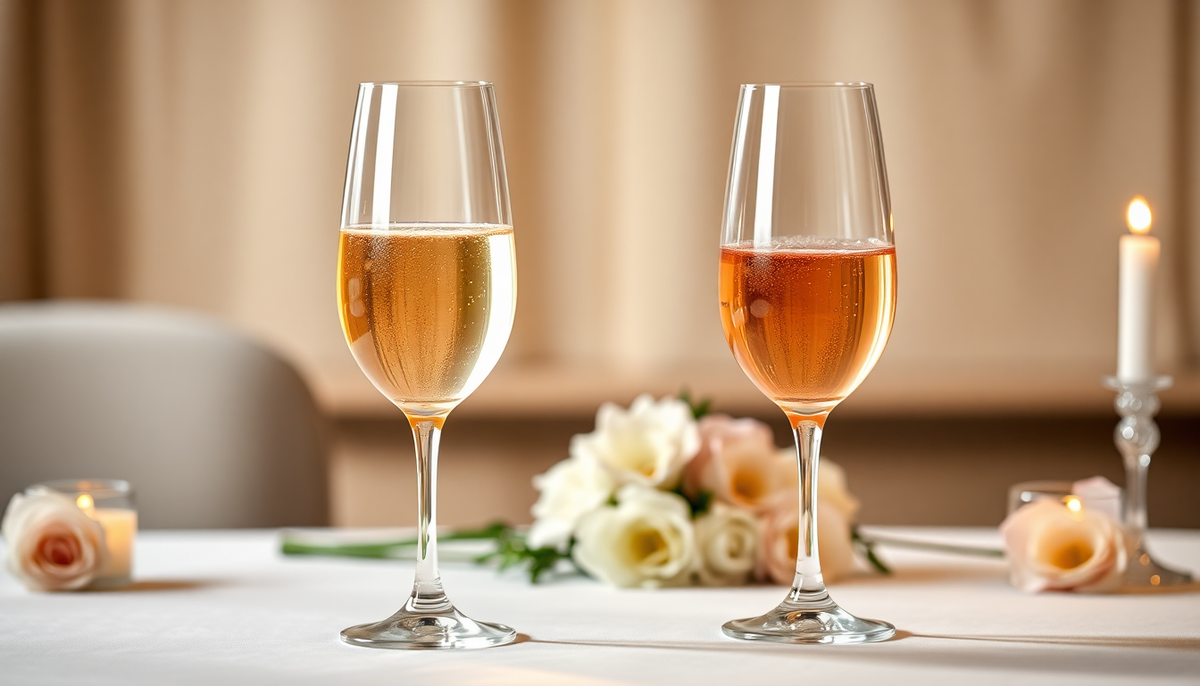
Sparkling wine has long been a symbol of celebration, elegance, and sophistication. Whether you're toasting at a wedding, enjoying a quiet evening at home, or hosting an intimate dinner party, the choice of sparkling wine can significantly impact your experience. Two of the most popular and distinctive options in the sparkling wine world are Blanc de Blanc and Pinot Noir Rosé. While both are exceptional choices, they offer different characteristics, flavor profiles, and occasions where they truly shine. At Curtis Family Vineyards, we understand the importance of selecting the perfect sparkling wine for your needs, which is why we've created this comprehensive guide to help you navigate the differences between these two magnificent options.
Understanding Sparkling Wine Basics
Before diving into the specific characteristics of Blanc de Blanc and Pinot Noir Rosé, it's essential to understand what makes sparkling wine unique and how it differs from still wines. Sparkling wine is any wine that contains significant levels of carbon dioxide, which creates the characteristic bubbles and effervescence that make these wines so appealing. The carbonation can occur naturally during fermentation or be added artificially, though the most prestigious sparkling wines are typically produced using the traditional méthode champenoise or méthode traditionnelle.
The production of sparkling wine is a meticulous process that requires precision, patience, and expertise. The wine undergoes a secondary fermentation, either in the bottle or in large tanks, which produces the carbon dioxide that creates those delightful bubbles. This process, combined with aging on the lees, develops complex flavors and creates the fine, persistent bubbles that distinguish high-quality sparkling wine from inferior products.
Sparkling wines are produced in wine regions around the world, from the Champagne region of France to California, Australia, and beyond. Each region imparts its own character and style to the wines produced there, influenced by climate, soil composition, grape varieties, and winemaking traditions. Understanding these regional differences can help you appreciate the nuances of different sparkling wines and make more informed choices.
What is Blanc de Blanc?
Blanc de Blanc, which literally means "white from white" in French, is a sparkling wine made exclusively from white grape varieties. The most common grape used in Blanc de Blanc production is Chardonnay, though other white varieties such as Pinot Blanc, Aligoté, and Riesling may also be used depending on the region and winemaker's preferences.
The term Blanc de Blanc originated in the Champagne region of France, where it represents a specific style of champagne that showcases the elegance and finesse of white grapes. However, the term is now used more broadly to describe any sparkling wine made from white grapes, whether it's produced in Champagne, California, or elsewhere.
One of the defining characteristics of Blanc de Blanc is its pale, almost colorless appearance. This delicate hue reflects the wine's composition and the gentle handling required during production. The color can range from completely clear to a very pale straw or greenish tint, depending on the specific grapes used and the winemaking process.
Flavor Profile of Blanc de Blanc
Blanc de Blanc wines are known for their crisp, clean, and elegant flavor profiles. When made from Chardonnay, these wines typically exhibit bright citrus notes, including lemon, lime, and grapefruit, along with green apple and sometimes mineral or floral undertones. The acidity in Blanc de Blanc is typically quite pronounced, which contributes to its refreshing character and makes it an excellent aperitif.
The complexity of Blanc de Blanc develops with aging. Younger Blanc de Blanc wines tend to be more fruit-forward and vibrant, with primary flavors dominating the palate. As these wines age, they develop secondary flavors such as brioche, toast, nuts, and honey, which add depth and sophistication to the overall experience. This evolution is one of the reasons why vintage Blanc de Blanc champagnes are so highly prized by collectors and enthusiasts.
Production Methods for Blanc de Blanc
The production of Blanc de Blanc follows the traditional methods used for quality sparkling wines. In Champagne, the méthode traditionnelle involves a secondary fermentation in the bottle, followed by an aging period on the lees. This contact with the dead yeast cells imparts additional flavors and contributes to the wine's complexity and texture.
The dosage, or the addition of a small amount of sugar and wine before final corking, is an important factor in determining the final sweetness level of Blanc de Blanc. Most Blanc de Blanc champagnes are produced as Brut, which means they contain less than 12 grams of residual sugar per liter, resulting in a dry, crisp wine. However, some producers create Extra Brut or Brut Nature versions with even less sugar, while others may produce Demi-Sec versions with more residual sweetness.
What is Pinot Noir Rosé?
Pinot Noir Rosé sparkling wine is made from the Pinot Noir grape, a dark-skinned variety traditionally associated with red wine production. The key to creating a rosé wine from Pinot Noir is the duration of skin contact during fermentation. The grape skins impart color and tannins to the wine, and by controlling how long the juice remains in contact with the skins, winemakers can create the characteristic pink or salmon color of rosé wines.
Pinot Noir Rosé sparkling wines represent a fascinating intersection between the elegance of sparkling wine and the complexity of red wine. These wines have gained significant popularity in recent years as consumers have discovered their versatility and appeal. The Pinot Noir grape, with its delicate structure and nuanced flavors, is particularly well-suited to sparkling wine production, as it can produce wines that are both elegant and flavorful.
Flavor Profile of Pinot Noir Rosé
Pinot Noir Rosé sparkling wines offer a more complex and fruit-forward flavor profile compared to Blanc de Blanc. These wines typically display flavors of red berries, including strawberry, raspberry, and cherry, along with notes of citrus and sometimes floral or herbal undertones. The intensity of these flavors can vary depending on the length of skin contact during production and the specific terroir where the grapes were grown.
The color of Pinot Noir Rosé can range from pale salmon to a deeper pink, depending on the winemaking style. Lighter-colored rosés tend to have more delicate flavors and higher acidity, while deeper-colored rosés often display more pronounced red fruit flavors and slightly lower acidity. This variation in color and flavor is one of the reasons why Pinot Noir Rosé offers such versatility for different occasions and food pairings.
The acidity in Pinot Noir Rosé is typically slightly lower than in Blanc de Blanc, which gives these wines a softer, rounder mouthfeel. However, quality Pinot Noir Rosé sparkling wines still maintain excellent acidity that provides structure and prevents them from tasting flabby or overly sweet. This balance is crucial for creating a wine that is both approachable and sophisticated.
Production Methods for Pinot Noir Rosé
The production of Pinot Noir Rosé sparkling wine follows similar methods to other quality sparkling wines, with the key difference being the skin contact phase. After the grapes are harvested and crushed, the juice is allowed to remain in contact with the Pinot Noir skins for a period of time, typically ranging from a few hours to several days, depending on the desired color and flavor intensity.
Once the desired color is achieved, the juice is separated from the skins and undergoes fermentation. The secondary fermentation and aging process follows the same méthode traditionnelle as other quality sparkling wines, with the wine aging on the lees to develop complexity and character. The result is a wine that combines the elegance and refinement of sparkling wine with the depth and complexity of red wine.
Key Differences Between Blanc de Blanc and Pinot Noir Rosé
Understanding the key differences between Blanc de Blanc and Pinot Noir Rosé is essential for making an informed choice about which wine to select for your specific needs and preferences. While both are exceptional sparkling wines, they offer distinct characteristics that make them suitable for different occasions and food pairings.
Color and Appearance
The most obvious difference between Blanc de Blanc and Pinot Noir Rosé is their color. Blanc de Blanc is virtually colorless or pale straw-colored, reflecting its composition from white grapes. Pinot Noir Rosé, on the other hand, displays a beautiful pink or salmon color, ranging from pale to deeper shades depending on the winemaking style.
This visual difference is more than just aesthetic. The color of Pinot Noir Rosé indicates the presence of compounds extracted from the grape skins, which contribute to the wine's flavor profile and complexity. The pale color of Blanc de Blanc, conversely, reflects a wine that is more delicate and refined in its flavor expression.
Flavor Complexity and Intensity
Blanc de Blanc tends to be more delicate and refined in its flavor profile, with bright citrus and green apple notes dominating the palate. The flavors are typically clean and precise, with mineral undertones that reflect the wine's terroir. This elegance and precision make Blanc de Blanc an excellent choice for those who appreciate subtle, nuanced flavors.
Pinot Noir Rosé, by contrast, offers a more fruit-forward and complex flavor profile. The red berry flavors are more pronounced and immediate, making these wines more approachable for those who prefer wines with more obvious fruit character. The additional complexity from the Pinot Noir grape adds depth and interest to the wine, making it a more versatile choice for various occasions and food pairings.
Acidity and Mouthfeel
Blanc de Blanc typically has higher acidity than Pinot Noir Rosé, which contributes to its crisp, refreshing character. This higher acidity makes Blanc de Blanc an excellent aperitif wine, as it stimulates the palate and prepares it for food. The mouthfeel of Blanc de Blanc is typically lean and elegant, with fine bubbles that persist throughout the tasting experience.
Pinot Noir Rosé has slightly lower acidity, which results in a softer, rounder mouthfeel. This characteristic makes these wines more approachable and food-friendly, as they can complement a wider range of dishes without overwhelming the palate. The bubbles in Pinot Noir Rosé are typically slightly larger and less persistent than in Blanc de Blanc, contributing to a different sensory experience.
Aging Potential
Blanc de Blanc, particularly vintage champagnes made from Chardonnay, has excellent aging potential. These wines can develop beautifully over many years, with the secondary flavors becoming more pronounced and complex. A well-made Blanc de Blanc can age for 10, 20, or even more years, developing increasingly sophisticated flavors and becoming more valuable over time.
Pinot Noir Rosé, while still capable of aging, typically has a shorter optimal drinking window than Blanc de Blanc. Most Pinot Noir Rosé sparkling wines are best consumed within 5-10 years of production, though some premium examples may age longer. The fruit-forward character of these wines is often at its best when the wine is relatively young, as the fresh red berry flavors can fade with extended aging.
Occasions and Pairings for Blanc de Blanc
Blanc de Blanc is an exceptionally versatile wine that can be enjoyed in many different contexts. Its crisp, elegant character makes it suitable for a wide range of occasions, from formal celebrations to casual gatherings.
Aperitif and Celebration
Blanc de Blanc is perhaps most famous as an aperitif wine. Its high acidity and clean flavors make it perfect for stimulating the palate before a meal. The wine's elegance and refinement also make it an excellent choice for toasts and celebrations. Whether you're celebrating a wedding, anniversary, promotion, or any other special occasion, Blanc de Blanc conveys a sense of sophistication and joy.
Food Pairings
The crisp acidity and citrus flavors of Blanc de Blanc make it an excellent pairing for a wide range of foods. Seafood is perhaps the most classic pairing, with oysters, clams, and other shellfish being particularly well-suited to Blanc de Blanc. The wine's acidity cuts through the richness of seafood and enhances the briny, mineral flavors.
Blanc de Blanc also pairs beautifully with light appetizers, such as canapés, cheese, and charcuterie. The wine's clean flavors complement delicate flavors without overwhelming them. For main courses, Blanc de Blanc works well with fish dishes, particularly those prepared with light sauces or citrus flavors. The wine can also pair with chicken dishes, especially those with cream or butter sauces.
Casual Enjoyment
While Blanc de Blanc is often associated with formal occasions, it's equally enjoyable as a casual wine for everyday drinking. A glass of Blanc de Blanc on a warm afternoon or evening can be a delightful way to unwind and enjoy the simple pleasures of a well-made wine. The wine's refreshing character makes it particularly appealing during warm weather.
Occasions and Pairings for Pinot Noir Rosé
Pinot Noir Rosé offers different opportunities for enjoyment compared to Blanc de Blanc. Its more fruit-forward character and softer acidity make it suitable for a different range of occasions and food pairings.
Casual Gatherings and Social Events
Pinot Noir Rosé is an excellent choice for casual social gatherings, garden parties, and outdoor events. The wine's approachable character and beautiful color make it visually appealing and easy to enjoy. The fruit-forward flavors are immediately accessible, making these wines popular with a wide range of palates, from wine enthusiasts to casual drinkers.
Food Pairings
The red berry flavors and softer acidity of Pinot Noir Rosé make it a versatile food wine. These wines pair beautifully with a wide range of cuisines, from Mediterranean to Asian. The wine works particularly well with dishes that feature tomatoes, berries, or light spices.
Pinot Noir Rosé is an excellent pairing for grilled or roasted chicken, particularly when prepared with herbs or light sauces. The wine also pairs well with pork dishes, especially those with fruit-based sauces. For seafood, Pinot Noir Rosé works well with salmon and other oily fish, where the wine's fruit flavors complement the richness of the fish.
The wine is also surprisingly versatile with vegetarian dishes. Grilled vegetables, pasta with tomato-based sauces, and vegetable risottos all pair beautifully with Pinot Noir Rosé. The wine's softer acidity and fruit-forward character make it more forgiving with a wider range of flavors than Blanc de Blanc.
Dessert and Sweet Treats
While most Pinot Noir Rosé sparkling wines are produced as Brut or Extra Brut, some producers create slightly sweeter versions that can pair beautifully with desserts. The wine's red berry flavors can complement berry-based desserts, particularly strawberry or raspberry preparations. The wine can also pair with lighter desserts, such as fruit tarts or meringues.
Quality Indicators and Selection Tips
When selecting between Blanc de Blanc and Pinot Noir Rosé, understanding quality indicators can help you make a choice that offers the best value and experience for your needs.
Producer Reputation
The reputation of the producer is one of the most important indicators of quality. Established producers with a long history of excellence tend to produce more consistent, high-quality wines. At Curtis Family Vineyards, we pride ourselves on our commitment to quality and our expertise in producing exceptional sparkling wines.
Vintage and Age
For Blanc de Blanc, vintage is an important consideration. Vintage champagnes, which are produced only in exceptional years, tend to be of higher quality than non-vintage champagnes. The vintage year can also indicate the wine's age and potential for further aging.
For Pinot Noir Rosé, vintage is less critical, as these wines are typically best consumed relatively young. However, selecting a recent vintage ensures that you're getting a wine with fresh, vibrant flavors.
Price Point
Price is often a good indicator of quality, though it's not always a perfect correlation. Higher-priced wines typically reflect superior grapes, more careful production methods, and longer aging. However, excellent values can be found at various price points, and it's possible to find high-quality Blanc de Blanc and Pinot Noir Rosé at reasonable prices.
Tasting Notes and Reviews
Reading tasting notes and reviews from reputable sources can provide valuable information about a wine's characteristics and quality. These descriptions can help you determine whether a particular wine is likely to appeal to your palate and meet your expectations.
The Curtis Family Vineyards Difference
At Curtis Family Vineyards, we are committed to producing exceptional sparkling wines that showcase the best characteristics of both Blanc de Blanc and Pinot Noir Rosé. Our winemakers combine traditional

Leave a comment
This site is protected by hCaptcha and the hCaptcha Privacy Policy and Terms of Service apply.