

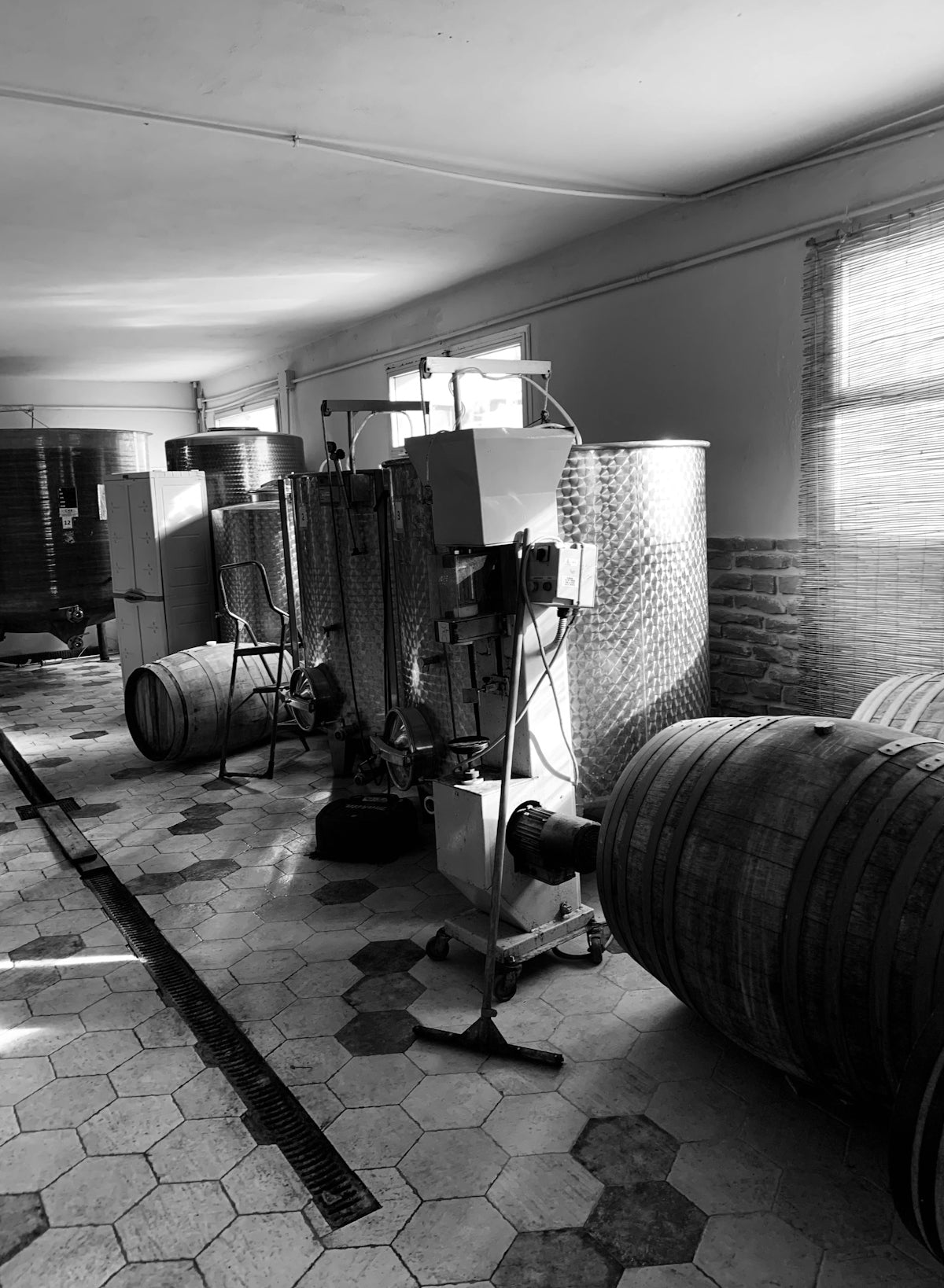
The journey from grapevine to the glass is a fascinating and intricate process that captures the art and science of winemaking beautifully. At Curtis Family Vineyards, we pride ourselves on producing wines that reflect the rich history and unique terroir of McLaren Vale. In this blog post, we'll take you through each step of the winemaking process, unveiling the magic that transforms humble grapes into exquisite wines.
1. Vineyard Management
The winemaking process begins in the vineyard. Proper vineyard management is crucial to ensure the vines produce high-quality grapes. This includes selecting the right grape variety suited to the soil and climate, implementing sustainable agricultural practices, and carefully monitoring weather conditions. The goal is to achieve a perfect balance in the fruit's acidity, sugar, and tannins. Our terroir in McLaren Vale is ideal for growing Shiraz, allowing us to craft exceptional wines like our Ancestor Shiraz.
2. Harvesting
Timing is everything during harvest. Grapes are picked either by hand or mechanically, depending on the desired wine style and vineyard layout. Picking at the optimal time ensures that the grapes have reached the perfect ripeness. This step is crucial for maintaining flavour profiles and achieving the desired wine structure. At Curtis Family Vineyards, our grapes are harvested with precision to ensure our Heritage Shiraz retains its distinctive character.
3. Crushing and Pressing
After harvesting, the grapes are swiftly moved to the winery to begin processing. Crushing involves gently breaking the grape skins to release the juices. For white wines, the next step is pressing the grapes to separate the juice from the skins and seeds, while in red winemaking, the entire grape is fermented together to enhance colour and flavour. For our Cavaliere Shiraz, the traditional method of whole berry fermentation preserves the wine’s rich flavours.
4. Fermentation
Fermentation is where the real magic happens. The grape juice transforms into wine through the action of yeast, which converts sugar into alcohol and carbon dioxide. Different yeast strains and fermentation techniques can influence the wine’s final taste profile. Our Limited Series Shiraz exemplifies the art of fermentation, resulting in a complex and refined flavour.
5. Maturation
Once fermentation is complete, maturation begins. Red wines are often aged in oak barrels to enhance their complexity, imparting subtle flavour notes and softening tannins. The choice of barrel type and the length of aging play a significant role in the wine's development. To deepen the bold flavour profile, our Ancestor Shiraz spends time maturing in carefully selected oak barrels.
6. Bottling
The final step is bottling the wine. After blending and quality assessments, the wine is bottled in a controlled environment to preserve its character. Corking the bottles and allowing them to rest further enhances the wine's complexity over time.
Every bottle produced by Curtis Family Vineyards tells a story of our dedication to quality and tradition. Whether it's the velvety smoothness of our Heritage Shiraz or the nuanced elegance of our Limited Series Shiraz, each wine is a testament to the meticulous care and craftsmanship that define our winemaking philosophy.
Explore our collection further and discover the passion behind our winemaking at Curtis Family Vineyards.
This markdown format provides a structured and engaging way to present the blog post content, highlighting key steps of the winemaking process and integrating relevant product links appropriately.


Leave a comment
This site is protected by hCaptcha and the hCaptcha Privacy Policy and Terms of Service apply.