

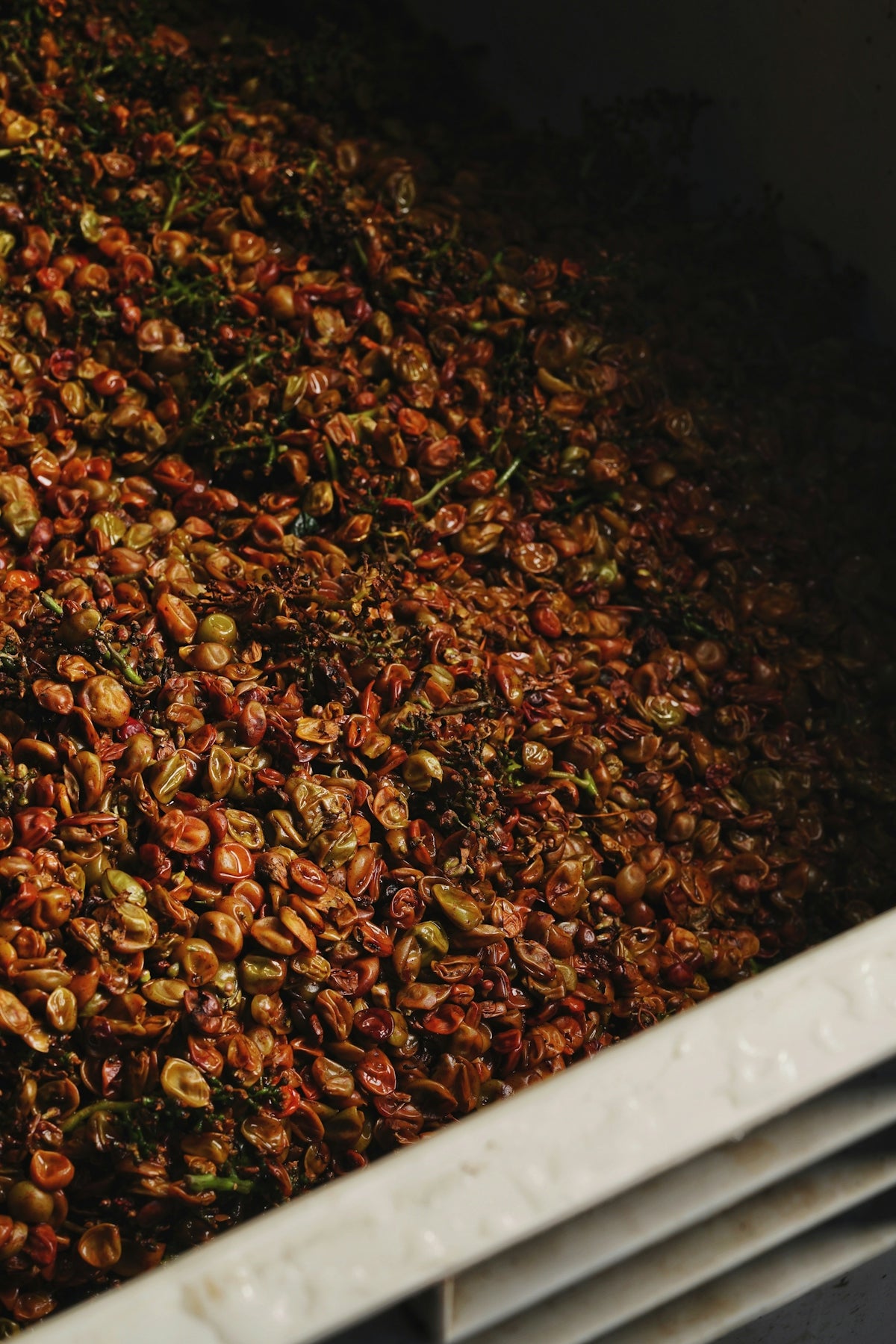
Embarking on the journey of winemaking is an exciting venture filled with opportunities to create something truly special. However, the path is strewn with potential pitfalls that can undermine your efforts. In this blog post, we will explore ten common mistakes in winemaking and offer guidance on how to avoid them. Let's delve into the art of winemaking and elevate your craft.
1. Ignoring Regional Characteristics
Every region offers unique characteristics, from climate to soil, that impact the flavour and aroma of wine. Ignoring these traits can lead to uninspired results. At Curtis Family Vineyards, our Ancestor Shiraz exemplifies the rich profile of the McLaren Vale region, showcasing how terroir can enhance wine quality.
2. Incorrect Grape Selection
Selecting the wrong type of grape for your environment can doom your winemaking from the start. Choosing region-appropriate varieties like our Limited Series Grenache can help ensure high-quality results that reflect the potential of the local environment.
3. Inadequate Fermentation Control
Temperature and environment are crucial during fermentation. Inconsistent temperatures can alter the taste profile. Monitoring this process closely, and perhaps drawing inspiration from the controlled methods used in our Martins Vineyard Shiraz, is critical for success.
4. Neglecting Acidity Balance
Acidity plays a critical role in wine's balance and taste. A common mistake is not testing or adjusting this parameter, leading to wine that lacks complexity. Only a balanced acidity can offer the vibrant notes found in wines like our Heritage Grenache.
5. Poor Sanitation Practices
Sanitation cannot be overlooked; any introduction of unwanted bacteria can spoil a batch and impact flavour. Meticulous cleanliness, akin to our practices at Curtis Family Vineyards, ensures the longevity and purity of the wine.
6. Rushing the Ageing Process
Quality wines need time to develop their flavours. Rushing this stage can lead to flat or unfinished products. Our Cavaliere Grenache Shiraz Mourvedre is a testament to the virtues of patience in the winemaking process.
7. Over-Oaking
While oak can add desirable notes, overdoing it can overwhelm a wine's natural character. Balance is key, as demonstrated in the nuanced oak presence of our Heritage Sparkling Blanc de Blanc.
8. Failing to Plan for Bottle Shock
After bottling, wines often undergo a temporary phase where flavours are muted—this is known as bottle shock. Allow your wine time to rest, as we do with our Terra Rossa Shiraz, which benefits from careful timing before it reaches the glass.
9. Not Tasting Regularly
Regular tastings throughout the winemaking process enable adjustments and ensure the desired outcome. Engaging in frequent tastings helps achieve the refined character evident in our Cavaliere Shiraz.
10. Mismanaging pH Levels
The pH of wine impacts its stability and flavour profile. Failing to manage pH levels can invite spoilage bacteria. Wines like our Queen of Hearts Rosè demonstrate the bright character that comes from finely-tuned pH balance.
Through understanding and avoiding these common mistakes, you can refine your winemaking skills and develop wines that express their full potential. To explore more about our winemaking processes and products, visit Curtis Family Vineyards.

Leave a comment
This site is protected by hCaptcha and the hCaptcha Privacy Policy and Terms of Service apply.